Makati - The Classiest City of the Philippines
Urban lifestyle and affluence are nowhere more pronounced in the Philippines than in Makati, the country’s classiest city. Bustling and modern, it is the country’s model for city planning, rising in less than a decade from vast stretches of empty land to become the nation’s premier city.
This affluent city southwest of Manila is the country’s financial center, earning it the nickname, “Wall Street of the Philippines.” The major banks, corporations, department stores as well as embassies of the different nations are based here. Situated along Ayala Avenue is the Makati Stock Exchange, which houses the trading of stock. Fully developed, well-reputed city villages provide the perfect address for office buildings, shops, and restaurants.
The other side of Makati at night
Right in the heart of bustling Makati, spread along Ayala Avenue, is Ayala Center, the country’s business and financial center. Encompassing the Glorietta and Greenbelt shopping malls, among others, Ayala Center is also a commercial complex completely at par with the world’s most modern business cosmos. Within it is the Ayala Museum, among the city’s primary repositories of history, culture, and heritage, along with the Filipinas Heritage Library and Museo ng Makati.
During rush hour at Makati City
Makati has the highest concentration of the country’s finest department stores, fashion boutiques, exclusive jewelry shops and antique stores, shoe stores, bookstores, and most other commercial establishments. In identified portions, the city contains the most exclusive residential subdivisions, including Forbes Park, where many of the country’s wealthy and powerful families make their homes. Five-star hotels and restaurants further provide the ultimate avenue for a life of comfort and relaxation.
Geography
Around the northern and eastern borders of Makati City curl the serpentine length of the Pasig River, which separates the premier urbanscape from the adjacent cities of Pasig and Mandaluyong and the municipality of Pateros. Fort Bonifacio and its crowded barangays sprawl along the eastern fringes. Due west is Pasay City, joined at various points to Makati's major arteries via the South Superhighway, Gil Puyat and Taft Avenues. Across Epifanio de los Santos Avenue (EDSA) from the Ayala Center are the posh villages of Forbes Park and Dasmariñas. The trend spills over Makati's boundaries all the way down the South Superhighway towards the newer subdivisions of Magallanes and Merville Park in Parañaque, and Ayala Alabang in Muntinlupa. Villamor Air Base, skirting the highway due southwest, is the headquarters of the Philippine Air Force. The city occupies a total land area of 29.9 sq. kilometers.
Makati, early in the morning
What to see...
Manila American Cemetery and Memorial
Perpetually green and abloom, it is known to be the biggest American cemetery outside of the USA. It is one of the loveliest and most serene spots in the Philippines, inspiring noble emotions in its visitors. It is also one of the places most visited by tourists, especially WW II veterans. The Manila American Cemetery and Memorial is located in Fort Bonifacio, Makati.
Libingan ng mga Bayani / Tomb of the Unknown Soldiers
It serves as the burial ground of the 33,520 Filipino soldiers who were killed in Bataan, Corregidor, and throughout the country during the 2nd World War. Libingan ng mga Bayani is located in Fort Bonifacio, Makati.
Sanctuario de Guadalupe
It is the oldest historical landmark of the city. It is of Doric architecture, with massive buttresses to support its vault of hewn stones taken from the visible but extinct Guadalupe quarry. Sanctuario de Guadalupe is located in Bernardino St., Guadalupe Viejo, Makati.
Ugarte Field
It is a park at the Makati Stock Exchange Building, which was named in memory of Sebastian Ugarte, Executive Vice-President of Soriano and Co. in 1945. During the corrupt regime of President Ferdinand Marcos, when demonstrations started in 1983 as a result of the assassination of Senator Benigno Aquino, Ugarte Field was the rallying point. It is located in the corner of Makati Avenue and Paseo de Roxas, Makati.
Sts. Peter and Paul Church
Built in 1620, it has an architecture typical of the Spanish colonial mission churches: a rectangular single-nave plan composed of the nace, apse, and sacristy. There is a three-tiered papaltiars and keys, symbols of the Papacy - the first being St. Peter who, together with St. Paul, patron of the locality, dominate the facade. The altar with its carved retablo is the focal point. Sts. Peter and Paul Church is located in Barangay Poblacion, Makati.
Ayala Center
Situated right in the heart of bustling Makati, the country's business and financial center is also a commercial complex completely at par with the world's most modern business cosmos. Ayala Center is located along Ayala Avenue, Makati.
Showing posts with label Travel: Philippines: Manila. Show all posts
Showing posts with label Travel: Philippines: Manila. Show all posts



Manila Food
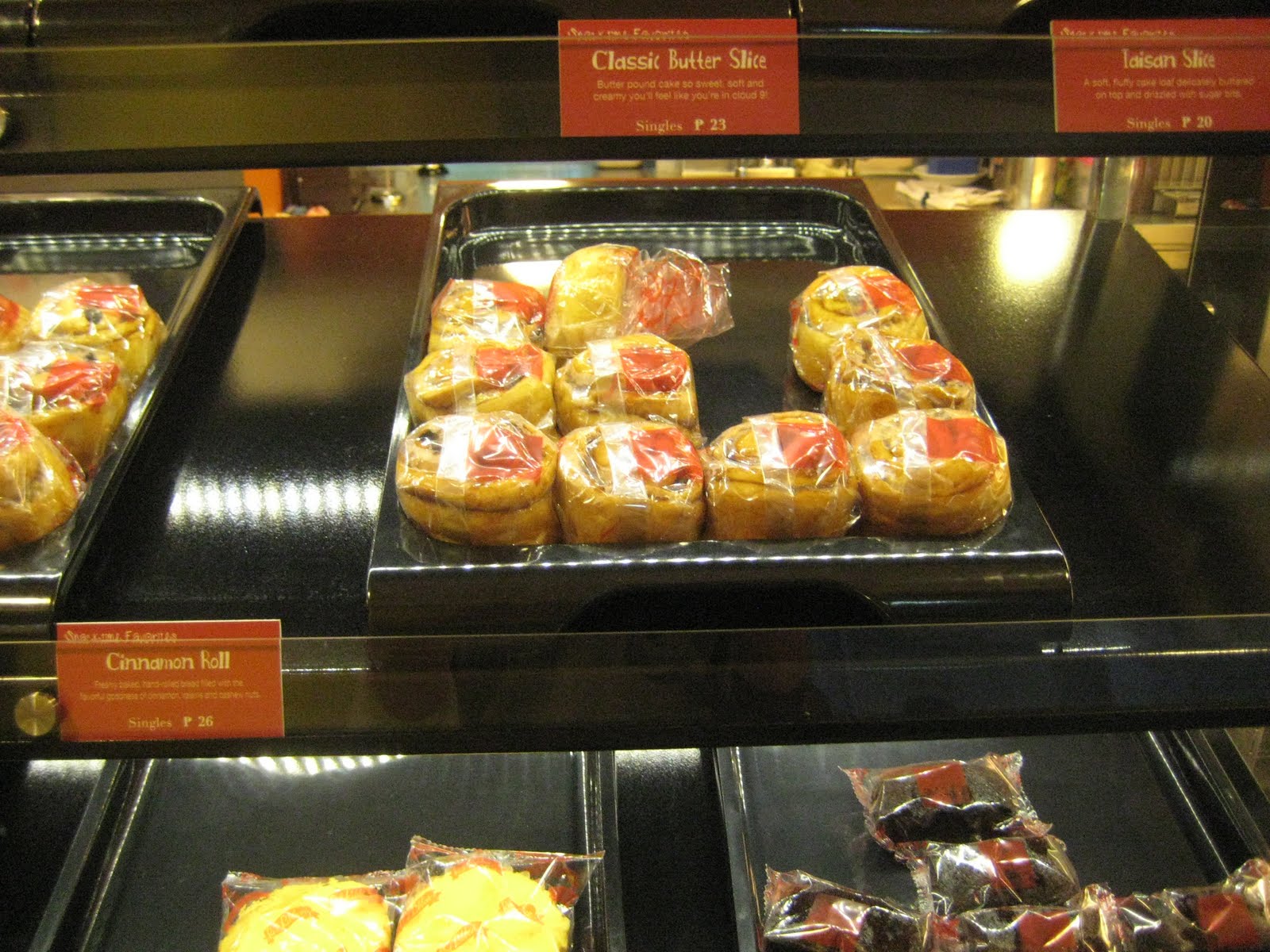
Kamayan offers one of the Filipino food in the country. It is a buffet set-up, the food includes lechon (fried whole pig), kare-kare (ox tripe in peanut sauce), pinakbet (assorted vegetables), sisig (pig's ears), halo-halo, etc.


Dusit Thani Hotel @ Manila
Traveled to Manila for business trip on early of July 2011 and stayed in this nice hotel. 


Shop @ Manila
 Power bookshop for great books discount
  Hard Rock Cafe ( Makati) walking distance from Shangri La Hotel.
 Papemelroti is one of my favourite shop that I will visit every time I landed in Manila, they have great selections of gifts item.

Makati - This is where I hang out


Makati is a city where locals and exp-pats live and work side by side amidst bright lights and towering skyscrapers. Large multinational companies, luxurious hotels, massive shopping centers, busy offices, lofty apartments and hundreds of restaurants provide the perfect background for a highly cosmopolitan lifestyle. There are many Filipinos and ex-pats who relocate to the city of Makati everyday. Makati City is often called by many as the Philippines' Financial Capital. It is home to the Philippine Stock Exchange as well as to thousands of local and international businesses. At the moment, there are more than 62,000 establishments that have chosen to place their offices and facilities in Makati. Residing in Makati is the epitome of urban living. Makati offers residents the convenience of living near shopping centers, business establishments, hotels, restaurants, schools, tourist spots and sports facilities. Makati is also one of the very few cities in the world where a normal household can afford to employ domestic help. Makati residents who want to experience more of life outside the home can easily hire maids, drivers, gardeners, care givers and other house helpers in Makati.
Where To Stay


I am so blessed that I get to stayed at the following hotels, the only thing that motivate me to travel to Manila is the nice hotel.
Peninsular
Located in the heart of Makati, Manila's business and financial district, The Peninsula Manila is the ideal business address and a favorite hotel for visitors to Manila for over 25 years. Strategically placed on the corners of Ayala and Makati Avenues, The Peninsula Manila is close to premier shopping facilities and within easy access of Manila's numerous attractions. The hotel is a 30-minute drive from Ninoy Aquino International Airport and just 20 minutes from Manila's Domestic Airport. Elegantly furnished in classic style, The Peninsula Manila's 498 rooms and suites provide modern, technologically advanced conveniences, including complimentary broadband Internet access for all hotel guests. The Club Floor has been designed with the needs of business travelers in mind and offers an exclusive Club Lounge, serving complimentary continental breakfast, afternoon tea, and cocktails, as well as a boardroom, Business Center, and Butler service. Featuring some of Manila's top restaurants, The Peninsula Manila offers a wide choice of fine dining options that includes modern European, Italian, and a diversity of Asian cuisines in the hotel's numerous renowned restaurants and bars. Designed for the comfort and convenience of the modern business and leisure traveler, The Peninsula Manila offers a range of hotel facilities including The Peninsula Spa and Fitness Center, a luxurious oasis within the hotel with gymnasium, swimming pool, sauna, steam room, and massage treatments. Emphasis at The Peninsula is the hotel's hair salon, with a range of hairstyling and beauty services. The hotel's exceptional facilities and high standard of service, combined with the traditional Peninsula hospitality, create a unique sense of comfort that will suit the needs of the most discerning visitor to Manila.
Makati City Hotels, Philippines
Makati Shangri-La Hotel Manila
Ayala Avenue corner Makati Avenue, Makati City 1200, Metro Manila, Philippines
Rating: 5 Stars
The Makati Shangri-la Hotel is located at the centre of Metro Manila’s most prestigious business, shopping and entertainment district. Just 20minutes away from the international airport, this award- winning five-star hotel offers exquisite comfort and world-class luxury.
With 699 rooms, this property contains all the amenities and services you would expect from a 5-star hotel. DCV/CD Player, Internet Access , Separate Shower and Tub are among the amenities guests will find in every room. Guests will enjoy the hotel's excellent facilities and services including Safety Deposit Boxes, Meeting Facilities , Salon, Tours, Poolside Bar, Hotel/Airport Transfer. Those looking for first-rate sporting and leisure facilities will find Sauna, Massage, steam room, Tennis Courts, Gym/Fitness Facilities, Spa. This charming property has long been a favorite in Manila for both business and leisure travellers.
Mandarin Oriental Manila
Makati Avenue, Makati City 1226, Metro Manila, Philippines
Rating: 5 Stars
Situated in the east of Manila, Mandarin Oriental is just a few minutes away from the Ayala Metro Centre and 10 kilometres from the airport. The Casa Manila, Rizal Park, National Museum as well as the San Agustin Museum and Church are the major attractions in Manila.
Guests travelling on business purpose can make use of the well-equipped meeting rooms for organising various important events. During leisure, you can workout in the state-of-the-art gymnasium, have a bracing dip in the swimming pool or pamper yourself at the sauna. For a perfect relaxation, you can avail the spa services, which rejuvenates both the body and the soul.
Peninsular
Located in the heart of Makati, Manila's business and financial district, The Peninsula Manila is the ideal business address and a favorite hotel for visitors to Manila for over 25 years. Strategically placed on the corners of Ayala and Makati Avenues, The Peninsula Manila is close to premier shopping facilities and within easy access of Manila's numerous attractions. The hotel is a 30-minute drive from Ninoy Aquino International Airport and just 20 minutes from Manila's Domestic Airport. Elegantly furnished in classic style, The Peninsula Manila's 498 rooms and suites provide modern, technologically advanced conveniences, including complimentary broadband Internet access for all hotel guests. The Club Floor has been designed with the needs of business travelers in mind and offers an exclusive Club Lounge, serving complimentary continental breakfast, afternoon tea, and cocktails, as well as a boardroom, Business Center, and Butler service. Featuring some of Manila's top restaurants, The Peninsula Manila offers a wide choice of fine dining options that includes modern European, Italian, and a diversity of Asian cuisines in the hotel's numerous renowned restaurants and bars. Designed for the comfort and convenience of the modern business and leisure traveler, The Peninsula Manila offers a range of hotel facilities including The Peninsula Spa and Fitness Center, a luxurious oasis within the hotel with gymnasium, swimming pool, sauna, steam room, and massage treatments. Emphasis at The Peninsula is the hotel's hair salon, with a range of hairstyling and beauty services. The hotel's exceptional facilities and high standard of service, combined with the traditional Peninsula hospitality, create a unique sense of comfort that will suit the needs of the most discerning visitor to Manila.
Makati City Hotels, Philippines
Makati Shangri-La Hotel Manila
Ayala Avenue corner Makati Avenue, Makati City 1200, Metro Manila, Philippines
Rating: 5 Stars
The Makati Shangri-la Hotel is located at the centre of Metro Manila’s most prestigious business, shopping and entertainment district. Just 20minutes away from the international airport, this award- winning five-star hotel offers exquisite comfort and world-class luxury.
With 699 rooms, this property contains all the amenities and services you would expect from a 5-star hotel. DCV/CD Player, Internet Access , Separate Shower and Tub are among the amenities guests will find in every room. Guests will enjoy the hotel's excellent facilities and services including Safety Deposit Boxes, Meeting Facilities , Salon, Tours, Poolside Bar, Hotel/Airport Transfer. Those looking for first-rate sporting and leisure facilities will find Sauna, Massage, steam room, Tennis Courts, Gym/Fitness Facilities, Spa. This charming property has long been a favorite in Manila for both business and leisure travellers.
Mandarin Oriental Manila
Makati Avenue, Makati City 1226, Metro Manila, Philippines
Rating: 5 Stars
Situated in the east of Manila, Mandarin Oriental is just a few minutes away from the Ayala Metro Centre and 10 kilometres from the airport. The Casa Manila, Rizal Park, National Museum as well as the San Agustin Museum and Church are the major attractions in Manila.
Guests travelling on business purpose can make use of the well-equipped meeting rooms for organising various important events. During leisure, you can workout in the state-of-the-art gymnasium, have a bracing dip in the swimming pool or pamper yourself at the sauna. For a perfect relaxation, you can avail the spa services, which rejuvenates both the body and the soul.
Things To Do In Manila
Things to Do in Manila
Manila the heart of Philippines like its countless attractions also offers lot of things to do for the enjoyment of its guest. The vast range of things to do in Manila consists of shopping, nightlife, entertainment and sports.
Nothing can beat the fun of shopping in Manila as the markets and shops here are full of vibrant colors, bustle and goods. From antiques and handicrafts to modern techno rich products you will definitely find everything in Manila. Along with countless attractions, Manila is also a shopper's delight. Shopping in Manila has numerous options from sidewalks vendors and small retail stores to market districts and big shopping centers.
A major part of things to do at Manila revolves around the nightlife and nightlife lovers. Countless bars and pubs and nightclubs keep the spirit of nightlife lovers high. Nightlife in Manila is excellent with clubs and bars dotted everywhere in the city. Like any other metropolitan city, Manila too has a vibrant and glittering nightlife.
Manila the capital city of Philippines is filled with varied options of entertainment. As the main metropolitan city of the country, Manila offers number of music clubs, theatres and cinemas. Besides there are countless options of sports to be played in Manila like Golf, Polo, Basketball, Baseball, Football and certain water sports too. Besides, Manila also provides opportunities to experience the thrill of adventure sports like mountain biking, walking, mountain climbing, martial arts and many more.
Manila the heart of Philippines like its countless attractions also offers lot of things to do for the enjoyment of its guest. The vast range of things to do in Manila consists of shopping, nightlife, entertainment and sports.
Nothing can beat the fun of shopping in Manila as the markets and shops here are full of vibrant colors, bustle and goods. From antiques and handicrafts to modern techno rich products you will definitely find everything in Manila. Along with countless attractions, Manila is also a shopper's delight. Shopping in Manila has numerous options from sidewalks vendors and small retail stores to market districts and big shopping centers.
A major part of things to do at Manila revolves around the nightlife and nightlife lovers. Countless bars and pubs and nightclubs keep the spirit of nightlife lovers high. Nightlife in Manila is excellent with clubs and bars dotted everywhere in the city. Like any other metropolitan city, Manila too has a vibrant and glittering nightlife.
Manila the capital city of Philippines is filled with varied options of entertainment. As the main metropolitan city of the country, Manila offers number of music clubs, theatres and cinemas. Besides there are countless options of sports to be played in Manila like Golf, Polo, Basketball, Baseball, Football and certain water sports too. Besides, Manila also provides opportunities to experience the thrill of adventure sports like mountain biking, walking, mountain climbing, martial arts and many more.
History Of Manila
History of Manila
History of Manila takes one back before the Christian era and the archeologists date it around 500 B.C. The ancient history of Manila can be well understood from the displays at the National Museum and the Ayala Museum. Thus the Filipino culture is old and has been influenced by other cultures in history. Manila got its name from maynilad that means, there is nilad (nilad- a white flowered mangrove plant).
The increase of trade and commerce in the middle ages had led to Muslim settlements in Manila. The History of Manila also reveals that that Manilians had their- own system of govt. and writing.
It was in 1571 that the medieval history of Manila took a turn with the invasion by the Spaniards with the changing scenario in the south Asia. The Spanish invaders led by Miguel Lopez defeated Raja Sulayman. This historical event in Manila was to leave a lasting impact on the culture and life of the people of Manila. With the founding of the now popular tourist attraction Intramuros in 1571 where the Spanish would settle one finds that the population embraced Christianity en masse. The local populace also adopted the ruler's language, dress, way of life or in other words their culture. This unique mix of culture is now reflected in the numerous monuments that dot Manila's landscape.
There was also a brief rule of the British between 1762- 1764 due to the seven years was between the French and British. The Indian soldiers who came with the British, one finds that some of them settles in the Cainta and now reflects in the culture of the Cainta residents.
History of Manila also reveals the revolts and skirmishes that would affect the future of Manila. The Spanish rule came to an end in 1898 as a result of the revolution fostered by the Dr. Jose Rizal and the extremism of Andres Bonifacio. Rizal was executed in the now Rizal Park and the Rizal Shrine in the Fort Santiago are other attractions in the city. On the other hand the Monumento in Kalookan City honors Bonifacio.
But the change of events in the world scenario made America conquer the new nation of Manila and the treaty between the U.S and Spain led to the acquisition of Philippines. The subsequent years under the new masters are also referred as Manila's 40 years in Hollywood. During this period one finds cultural infusion yet again like the introduction of the English language, new infrastructure and others. Now the populace embraced the western way of life and that is reflected in the dress, medium of entertainment and the architecture.
But History of Manila also reminds one of the horrors of the World War II when the Japanese forces brought about havoc on the land of Manila. The country gained independence in 4th July 1946 and one finds the quick recovery as the economy flourished thereby making Philippines the second richest nation in Asia.
But in 1972 the turn of events Ferdinand Marcos imposed the marital law and the next 20 years marks the dark phase in the modern history of Manila. In 1986 there was another revolution without bloodshed that saw the end of dictatorship.
History of Manila takes one back before the Christian era and the archeologists date it around 500 B.C. The ancient history of Manila can be well understood from the displays at the National Museum and the Ayala Museum. Thus the Filipino culture is old and has been influenced by other cultures in history. Manila got its name from maynilad that means, there is nilad (nilad- a white flowered mangrove plant).
The increase of trade and commerce in the middle ages had led to Muslim settlements in Manila. The History of Manila also reveals that that Manilians had their- own system of govt. and writing.
It was in 1571 that the medieval history of Manila took a turn with the invasion by the Spaniards with the changing scenario in the south Asia. The Spanish invaders led by Miguel Lopez defeated Raja Sulayman. This historical event in Manila was to leave a lasting impact on the culture and life of the people of Manila. With the founding of the now popular tourist attraction Intramuros in 1571 where the Spanish would settle one finds that the population embraced Christianity en masse. The local populace also adopted the ruler's language, dress, way of life or in other words their culture. This unique mix of culture is now reflected in the numerous monuments that dot Manila's landscape.
There was also a brief rule of the British between 1762- 1764 due to the seven years was between the French and British. The Indian soldiers who came with the British, one finds that some of them settles in the Cainta and now reflects in the culture of the Cainta residents.
History of Manila also reveals the revolts and skirmishes that would affect the future of Manila. The Spanish rule came to an end in 1898 as a result of the revolution fostered by the Dr. Jose Rizal and the extremism of Andres Bonifacio. Rizal was executed in the now Rizal Park and the Rizal Shrine in the Fort Santiago are other attractions in the city. On the other hand the Monumento in Kalookan City honors Bonifacio.
But the change of events in the world scenario made America conquer the new nation of Manila and the treaty between the U.S and Spain led to the acquisition of Philippines. The subsequent years under the new masters are also referred as Manila's 40 years in Hollywood. During this period one finds cultural infusion yet again like the introduction of the English language, new infrastructure and others. Now the populace embraced the western way of life and that is reflected in the dress, medium of entertainment and the architecture.
But History of Manila also reminds one of the horrors of the World War II when the Japanese forces brought about havoc on the land of Manila. The country gained independence in 4th July 1946 and one finds the quick recovery as the economy flourished thereby making Philippines the second richest nation in Asia.
But in 1972 the turn of events Ferdinand Marcos imposed the marital law and the next 20 years marks the dark phase in the modern history of Manila. In 1986 there was another revolution without bloodshed that saw the end of dictatorship.
Manila Visitor Information
Visitor Information
Daytime Pursuits:It is almost impossible to run out of things to see and do in Metro Manila. Magnificent churches of impressive architectural proportions with their interiors chock-full of relics testify to the centuries-old religious tradition of the Filipinos. Parks and shaded plazas deliver rest to weary feet; markers and monuments provide insights into significant events and people in local history. Museums and art galleries acquaint visitors with the country's rich cultural, historical and artistic heritage.
The visitor may also want to spend time watching a movie, as a great number of Filipinos do. There are more than 246 movie houses in Metro Manila alone, making the Philippines the film capital of Asia. Majority of these movie houses show American films.
In Manila, visit Malacanang Palace , official residence of the Philippine heads of state; stroll through Rizal Park , Paco Park or Intramuros the old walled city or head for Quiapo and Chinatown for a dash of local color. For more outdoor fun and entertainment, there are sunset cruises around Manila Bay and open-air cultural events held Friday evenings at Paco Park, Saturday evenings at Puerta Real in Intramuros and Sunday afternoons at Rizal Park. Explore the museums of the Cultural Center of the Philippines located along Roxas Boulevard.
In Makati, spend time at the Ayala Museum for a look at the historical dioramas depicting significant events in Philippine history. The museum also has excellent models of Southeast Asian watercraft as well as archaeological artifacts.
Farther north in Quezon City are the Quezon Memorial Circle and the Ninoy Aquino Parks and Wildlife Center. On these tree-shaded open spaces, get a whiff of fresh air, go biking or roller-skating, or just soak in the peace and quiet.
Sports: Metro Manila's 11 golfing greens are some of the best places to tee off in Asia. Aside from inexpensive fees and club amenities, there are the bonuses of fresh-air, balmy sunshine and friendly, English-speaking caddies who offer solicited advice. Rates vary from course to course.
"Country clubs" popular with the local business and yuppie set—are located within the city and provide facilities for recreation and relaxation such as swimming pools, health spas, gyms, bowling lanes, billiard halls, tennis and basketball courts, restaurants and cocktail lounges. Some of these clubs accept members and nonmembers alike, while others accept nonmembers who come as guests of club members.
For spectator sports with a dash of local color, nothing beats the horse-races at the Sta. Ana Tracks and at the San Lazaro Hippodrome.
Dining:Metro Manila tempts gourmets with a cosmopolitan range of cuisine. Filipino specialty restaurants abound, enticing visitors with a wide range of island flavors from the different regional kitchens of the country. Bistros, patisseries, steak houses, diners, seafood grilles and noodle houses vie for patronage along busy restaurant rows in Ermita, Malate and Roxas Boulevard (Manila), on Makati Avenue, Jupiter Street, Pasong Tamo and Pasay Road (Makati), and on Timog, West and Quezon Avenues ( Quezon City ).
Head for Ongpin Street in Chinatown! where Chinese Filipinos go for a taste of true mainland delicacies. Eat your way through the restaurant rows of Malate and Roxas Boulevard as you savor the sea breezes and watch a spectacular sunset. Farther down Roxas Boulevard towards the Cavite coastline, take your pick of fresh seafood cooked to your specifications in the many restaurants lining the road.
A peek into the basements of Metro Manila's shopping malls will reveal steaming fastfood counters serving everything from pasta, salads and sizzling steaks to kimchi, sushi and lechon (roast pig).
And then there are the sidewalk eateries which serve hearty portions of favorite native fare, as well as itinerant vendors who sell local delicacies such as banana-cue and camote-cue (fried, sugared plantain bananas or sweet potatoes skewered on a barbecue stick), fried fishballs, boiled corn and the ever-popular local delicacy, balut (boiled duck's egg with the unhatched embryo intact).
Evening Entertainment: As the sun goes down, the lights go up in Metro Manila's nightspots. First-class hotels and restaurants attract diners with performances by local pop artists, folk dance troupes, string quartets and jazz bands. Theater and repertory acts, classical concerts and ballet performances cater to the well dressed set who frequent the Cultural Center of the Philippines, the Manila Metropolitan Theater, the Repertory Theater at Shangri-La Plaza and other theaters throughout the city.
For endless evenings of dancing, music and people-watching, head for the bright lights along Makati Avenue and Pasay Road in Makati, along Quezon Boulevard, Timog and West Avenues in Quezon City, Greenhills in San Juan, and Roxas Boulevard and Malate in Manila. Trendy discos with their flashing lights and pulsating music are the delight of the dance crowd. Cozy jazz bars and music lounges offer wine and mood music along with quiet ambiance and good conversation. Karaoke bars and nightclubs entice with drinks, dancing and opportunities to let one's hair down and sing-along with the music.
There are two casinos for those who wish to try their luck at cards, roulette or the slot machines. Along the sunset strip of Ermita, chug a mug of chilled local beer with platters of pulutan (finger foods) and a liberal dash of pulchritude.
Shopping: It is extremely easy for the happy shopper to get lost in Metro Manila's treasure trove of malls, flea markets, bargain centers and antique shops. On your way to the city from the airport, stop at the handicrafts shops strategically located along the road.
The mega shopping trend has invaded the country's commercial centers. Huge structures beckon from busy intersections along EDSA such as Ayala in Makati, Cubao in Quezon City, Ortigas in San Juan, and Crossing in Mandaluyong. These shopping complexes—some covering more than 10 hectares area—have gathered, all under one roof, trendy signature antiques, shoe stores, houseware and appliance centers, shops and furniture , optical and jewelry shops, and drugstores, gourmet restaurants and fastfood galleries. Flock to these malls malls any day of the week for dining and movie-watching.
Flea market stalls crowd the congested streets of Quiapo Divisoria and Baclaran where bargain-hunters jostle and haggle for the best buy in fabric, ready-to-wear clothing, shoes and slippers, houseware and home decor items and fresh produce. Loves of and handicrafts rummage around antique shops on streets of Malate Manila and San Juan for relics, old santos (images of saints), altarpieces, vases, ceramics, baskets, earthenware and brassware.
Convention Facilities: Metro Manila is well-equip modern facilities and services for international convent Philippine International Convention Center Complex on Roxas Boulevard is the premier convention center in the country. It has a large convention hall which can accommodate up to 4,000 people, as well as meeting groups of 100 to 1,000. Most deluxe hotels within the facilities for smaller groups. Out-of-town resort hotel are alternative convention sites. The Philippine Convention Visitors Corporation (PCVC) has a Conventions and Travel Unit which provides comprehensive information, technical assistance and guidance to convention planners and incentive tide travel organizers.
Daytime Pursuits:It is almost impossible to run out of things to see and do in Metro Manila. Magnificent churches of impressive architectural proportions with their interiors chock-full of relics testify to the centuries-old religious tradition of the Filipinos. Parks and shaded plazas deliver rest to weary feet; markers and monuments provide insights into significant events and people in local history. Museums and art galleries acquaint visitors with the country's rich cultural, historical and artistic heritage.
The visitor may also want to spend time watching a movie, as a great number of Filipinos do. There are more than 246 movie houses in Metro Manila alone, making the Philippines the film capital of Asia. Majority of these movie houses show American films.
In Manila, visit Malacanang Palace , official residence of the Philippine heads of state; stroll through Rizal Park , Paco Park or Intramuros the old walled city or head for Quiapo and Chinatown for a dash of local color. For more outdoor fun and entertainment, there are sunset cruises around Manila Bay and open-air cultural events held Friday evenings at Paco Park, Saturday evenings at Puerta Real in Intramuros and Sunday afternoons at Rizal Park. Explore the museums of the Cultural Center of the Philippines located along Roxas Boulevard.
In Makati, spend time at the Ayala Museum for a look at the historical dioramas depicting significant events in Philippine history. The museum also has excellent models of Southeast Asian watercraft as well as archaeological artifacts.
Farther north in Quezon City are the Quezon Memorial Circle and the Ninoy Aquino Parks and Wildlife Center. On these tree-shaded open spaces, get a whiff of fresh air, go biking or roller-skating, or just soak in the peace and quiet.
Sports: Metro Manila's 11 golfing greens are some of the best places to tee off in Asia. Aside from inexpensive fees and club amenities, there are the bonuses of fresh-air, balmy sunshine and friendly, English-speaking caddies who offer solicited advice. Rates vary from course to course.
"Country clubs" popular with the local business and yuppie set—are located within the city and provide facilities for recreation and relaxation such as swimming pools, health spas, gyms, bowling lanes, billiard halls, tennis and basketball courts, restaurants and cocktail lounges. Some of these clubs accept members and nonmembers alike, while others accept nonmembers who come as guests of club members.
For spectator sports with a dash of local color, nothing beats the horse-races at the Sta. Ana Tracks and at the San Lazaro Hippodrome.
Dining:Metro Manila tempts gourmets with a cosmopolitan range of cuisine. Filipino specialty restaurants abound, enticing visitors with a wide range of island flavors from the different regional kitchens of the country. Bistros, patisseries, steak houses, diners, seafood grilles and noodle houses vie for patronage along busy restaurant rows in Ermita, Malate and Roxas Boulevard (Manila), on Makati Avenue, Jupiter Street, Pasong Tamo and Pasay Road (Makati), and on Timog, West and Quezon Avenues ( Quezon City ).
Head for Ongpin Street in Chinatown! where Chinese Filipinos go for a taste of true mainland delicacies. Eat your way through the restaurant rows of Malate and Roxas Boulevard as you savor the sea breezes and watch a spectacular sunset. Farther down Roxas Boulevard towards the Cavite coastline, take your pick of fresh seafood cooked to your specifications in the many restaurants lining the road.
A peek into the basements of Metro Manila's shopping malls will reveal steaming fastfood counters serving everything from pasta, salads and sizzling steaks to kimchi, sushi and lechon (roast pig).
And then there are the sidewalk eateries which serve hearty portions of favorite native fare, as well as itinerant vendors who sell local delicacies such as banana-cue and camote-cue (fried, sugared plantain bananas or sweet potatoes skewered on a barbecue stick), fried fishballs, boiled corn and the ever-popular local delicacy, balut (boiled duck's egg with the unhatched embryo intact).
Evening Entertainment: As the sun goes down, the lights go up in Metro Manila's nightspots. First-class hotels and restaurants attract diners with performances by local pop artists, folk dance troupes, string quartets and jazz bands. Theater and repertory acts, classical concerts and ballet performances cater to the well dressed set who frequent the Cultural Center of the Philippines, the Manila Metropolitan Theater, the Repertory Theater at Shangri-La Plaza and other theaters throughout the city.
For endless evenings of dancing, music and people-watching, head for the bright lights along Makati Avenue and Pasay Road in Makati, along Quezon Boulevard, Timog and West Avenues in Quezon City, Greenhills in San Juan, and Roxas Boulevard and Malate in Manila. Trendy discos with their flashing lights and pulsating music are the delight of the dance crowd. Cozy jazz bars and music lounges offer wine and mood music along with quiet ambiance and good conversation. Karaoke bars and nightclubs entice with drinks, dancing and opportunities to let one's hair down and sing-along with the music.
There are two casinos for those who wish to try their luck at cards, roulette or the slot machines. Along the sunset strip of Ermita, chug a mug of chilled local beer with platters of pulutan (finger foods) and a liberal dash of pulchritude.
Shopping: It is extremely easy for the happy shopper to get lost in Metro Manila's treasure trove of malls, flea markets, bargain centers and antique shops. On your way to the city from the airport, stop at the handicrafts shops strategically located along the road.
The mega shopping trend has invaded the country's commercial centers. Huge structures beckon from busy intersections along EDSA such as Ayala in Makati, Cubao in Quezon City, Ortigas in San Juan, and Crossing in Mandaluyong. These shopping complexes—some covering more than 10 hectares area—have gathered, all under one roof, trendy signature antiques, shoe stores, houseware and appliance centers, shops and furniture , optical and jewelry shops, and drugstores, gourmet restaurants and fastfood galleries. Flock to these malls malls any day of the week for dining and movie-watching.
Flea market stalls crowd the congested streets of Quiapo Divisoria and Baclaran where bargain-hunters jostle and haggle for the best buy in fabric, ready-to-wear clothing, shoes and slippers, houseware and home decor items and fresh produce. Loves of and handicrafts rummage around antique shops on streets of Malate Manila and San Juan for relics, old santos (images of saints), altarpieces, vases, ceramics, baskets, earthenware and brassware.
Convention Facilities: Metro Manila is well-equip modern facilities and services for international convent Philippine International Convention Center Complex on Roxas Boulevard is the premier convention center in the country. It has a large convention hall which can accommodate up to 4,000 people, as well as meeting groups of 100 to 1,000. Most deluxe hotels within the facilities for smaller groups. Out-of-town resort hotel are alternative convention sites. The Philippine Convention Visitors Corporation (PCVC) has a Conventions and Travel Unit which provides comprehensive information, technical assistance and guidance to convention planners and incentive tide travel organizers.
Travel: Philippines


 Welcome to Metro Manila, the political, economic, social, educational, cultural and recreational hub of this vast archipelago of 7,107 islands that is the Philippines. Nowhere else in the country can the visitor acquire a greater dose of local color, a better understanding of the country's multifaceted culture, or as many glimpses of its contrasts as in this pulsating, vibrant metropolis. The streets are alive with colorful jeepneys, rumbling buses and sleek automobiles. In old sections of Manila like Intramuros (the old walled city) and Chinatown, clip-clopping horse-drawn carriages pick their way through traffic. Glass and concrete towers rise side-by-side with Spanish colonial houses and neo- classical government buildings. Dragon arches, gold-domed mosques and elaborately-styled mansions define the enclaves of the Chinese, the Moslems, the rich and famous. Outside the civilized bustle of air-conditioned shopping centers, sidewalk vendors haggle and press with the sweaty, hurrying crowds. The glare and gaiety of marketplaces are mere steps away from the peaceful greenery of parks and the hushed silences of churches.
Premier gateway to the many islands and tourist destinations north and south of the Philippines, Metro Manila has its own share of attractions to suit every interest. Here, churches, museums and theatres vie for the attentions of history and culture buffs. Malls, boutiques, flea markets and antique shops offer endless surprises for shoppers and souvenir-hunters. Posh restaurants and sidewalk eateries entice gastronomic adventurers. Snazzy discos and cozy bars entertain the night owl. Golfing greens, country clubs and accessible out-of-town resorts provide recreation and relaxation for all. And everywhere, a friendly, festive people who smile readily, adore music and love to welcome visitors with their world-famous brand of hospitality.
Subscribe to:
Posts (Atom)
