Showing posts with label Travel:Europe. Show all posts

Beaune (Burgundy, France)

Visit Beaune (Burgundy, France)

Beaune is a town in the central Burgundy region between Dijon and Autun. Best known for the wine produced in the region Beaune is a pleasant place to explore. The old town is quite compact, based around the medieval hospital complex, and with several streets of shops and old buildings surrounding the center.

Exploring Beaune

The principal attraction in Beaune is the Hotel-Dieu. Found in the heart of the walled old-town of Beaune, the Hotel-Dieu was a hospital in the 15th century, and has now been immaculately preserved and renovated. I can't help wondering if a 15th century hospital was really quite so immaculate at that time...
On entering the Hotel-Dieu, first walk around the cobbled courtyard to admire the steep decorated rooves on the arcaded buildings, then enter into the carefully furnished kitchen and ward interiors - in particular see the grand 'salle des malades'. Other highlights in the Hotel-Dieu complex are the wells, the kitchens and the ancient pharmacy.
Elsewhere in Beaune spend some time strolling around the other parts of the old town and its surrounding ramparts. En route you will also see some medieval half-timbered houses.
You can visit the Church of Notre-Dame, which has some impressive 15th century wallhangings (tapestries) relating the story of the life of the Virgin Mary.
The clock tower in Beaune, dating from the 12th century, is a classified historic monument.
There are also several museums in Beaune including the Museum of Wine (find it to see the building even if you don't plan to enter - the 15th century building was once the meeting place for the Burgundy dukes); the Musee des Beaux-Arts; and the Jules-Marey Museum (for early video photography).

Attractions nearby

Wine enthusiasts will want to follow the Burgundy Wine route between Beaune and Dijon, of course visiting the villages and vineyards such as Nuits-Saint-Georges along the route.
Even if you are not interested in wine be sure to visit Dijon. About 40 kilometres north-east of Beaune it is our favourite town in Burgundy and a visit is highly recommended.

French Riviera Attractions

The stylish and scenic strip of coastline called the Côte d'Azur stretches from Saint-Tropez to Menton near the border with Italy. Also known as the French Riviera, the Côte d'Azur translates to "Coast of Blue," taking its name from the deep azure-blue color of the Mediterranean Sea. This glamorous vacation destination buzzes with energy during the tourist season and is known as a playground for the rich and famous who have lavish vacation villas on the coast and impressive yachts docked in the harbors. Private beaches, high-end restaurants, and five-star hotels reinforce the image of seaside elegance and prestige. Whether basking under a cabana in Cannes, setting sail from the port of Monaco, or people-watching on the boulevards of Nice, the French Riviera promises to delight.


1 Promenade des Anglais, Nice
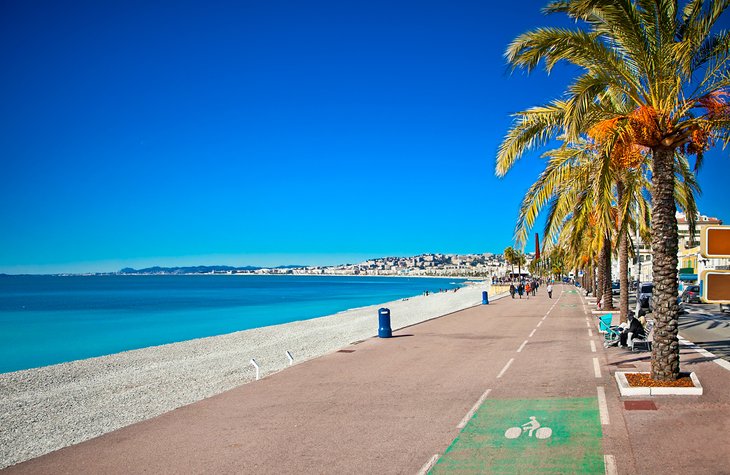
Promenade des Anglais, Nice
With its scenic seaside location, balmy weather, and charming Mediterranean character, Nice is the quintessential French Riviera resort town. The most famous street in Nice is the Promenade des Anglais, a gorgeous pedestrian area that follows the curve of the Baie des Anges beaches. Since the Belle Epoque, the promenade has been graced by opulent buildings such as the Palais de la Méditerranée theater and the exquisite Villa Masséna (65 Rue de France), once the home of a Princess. The Villa Masséna is open to visitors and houses a museum of art and history. The villa is surrounded by beautiful landscaping including formal French gardens. Besides sunbathing on the beaches and strolling, rollerblading, or cycling along the promenade, there are many cultural and historic attractions nearby. The Cours Saleya has a colorful market in the traditional Provençal style. Held daily, except Mondays, the market offers local artisan food products and flowers. Another top attraction in Nice, the Jardin Albert I, is within easy walking distance of the Promenade des Anglais. This expansive garden was one of Nice's first public parks. In typical Mediterranean style, the park features towering palm trees and monumental fountains.
2
Saint-Tropez
Saint-Tropez
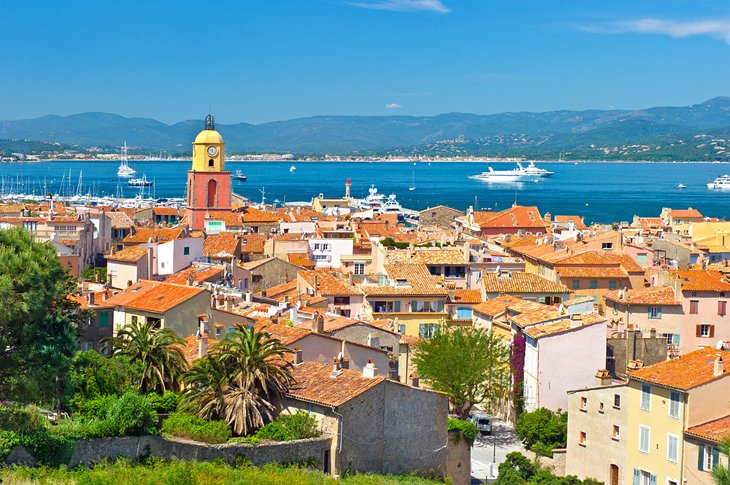
Saint-Tropez
 
A stylish seaside resort that draws tourists from all over the world, Saint-Tropez was once just a humble fishing village. The town was made fashionable by the famous actress Brigitte Bardot in the 1950s while she was filming on location here. Saint-Tropez's small-town feel and pretty Mediterranean setting easily charms its visitors. The historic village offers a quaint Old World ambience of cobblestone streets, outdoor cafés, and pleasant shady squares, while the picturesque harbor is filled with luxury yachts that belong to the jet-setting crowd drawn to the glitz and glamor. However, despite the upscale restaurants and fashion boutiques, there's still an authentic Provençal atmosphere to be found in Saint Tropez. Visitors will see elderly French men playing pétanque, families taking their evening stroll, and locals artists selling their paintings at the markets and along the port. Saint-Tropez is a pleasant place to explore. Visitors enjoy basking in the sunshine at the beaches and taking unhurried strolls along the coast or in the village without any particular itinerary. In Saint-Tropez, the beautiful setting and the chic ambience are the main attractions.


3 Cannes Beaches
Cannes Beaches
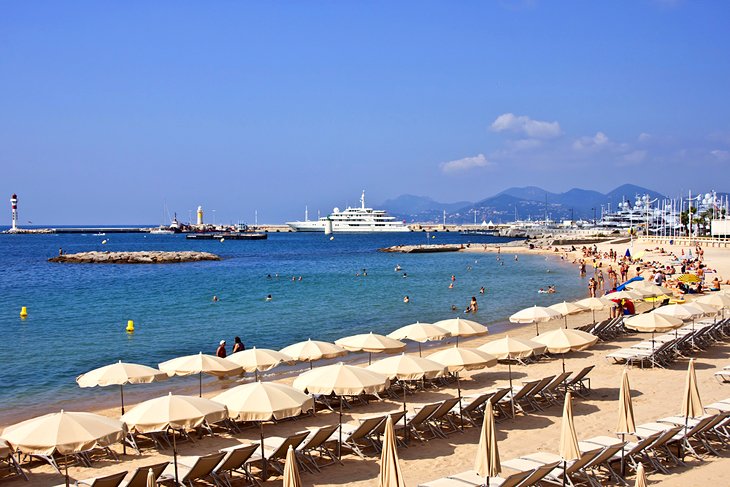
Cannes Beaches
 
During the summer months, colorful parasols line the sandy beaches of Cannes, and beach lovers soak up the sun in classic French Riviera style. Most of the popular beaches in Cannes lie right off La Croisette Boulevard, the city's elegant main street. While Cannes is famous for its exclusivity and upscale private beaches, there are also municipal beaches (Macé Beach and Zamenhof Beach) that charge only a small fee, as well as public beaches (Plage de la Casino, La Bocca Beach, and Mouré Rouge Beach) that offer free entry. Parasols and lounge chairs are available to rent at most beaches, and many have snack bars and other facilities. Thanks to the calm, warm waters of the Mediterranean, swimming in the sea is delightful. Most of the beaches have lifeguards on duty during the hours of 8:30am-6:30pm. For those who want a true Côte d'Azur experience while visiting Cannes, gourmet restaurants and stylish cafés dot the seafront at the water's edge.
4 Monaco

Monaco
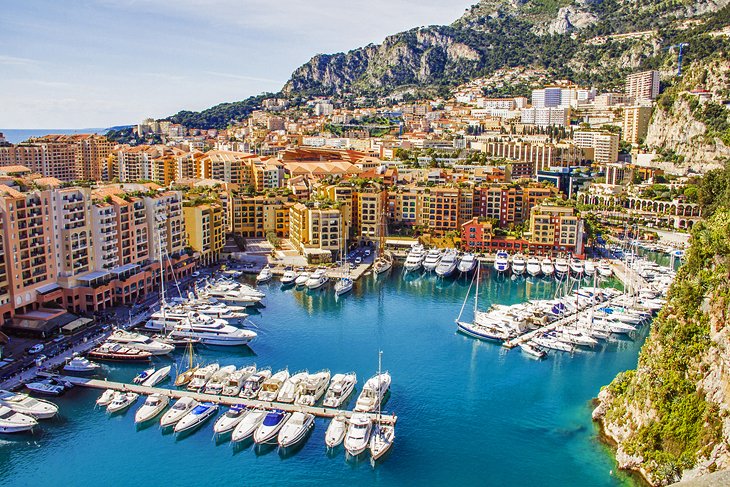
Monaco


Famous for its prestigious yacht race and picture-postcard setting, Monaco has a special status on the Côte d'Azur. This small coastal city is its own Principality with a royal family, epitomizing the glamor of the French Riviera. The palace of the royal family is located on what is fondly called the "Rock of Monaco," the site of a fortress built by the Genoese in 1215. Tourists may visit the Palais Princier (royal palace) to discover its splendors: 15th-century frescoes; a Louis XV lounge in yellow and gold; the Mazarin room, covered with ornate wood panelling; and the Throne Room with its majestic Renaissance fireplace. Other tourist highlights found on the "Rock of Monaco" include the Cathedral and the Chapelle de la Visitation, which houses a museum of religious art. The "Rock" also has an Oceanographic Museum featuring an impressive aquarium. Also at the top of Monaco's attraction list is the Jardin Exotique (Exotic Gardens). In a majestic spot overlooking the Mediterranean Sea, this beautiful garden is filled with rare and exotic plants. The landscaping is exceptional, and the view alone makes a visit worthwhile. More sensational sea views can be found along the Corniche. Clinging to the cliffs, this dramatic road offers breathtaking sea views. One of the most emblematic sites of Monaco is its picturesque harbor filled with magnificent luxury yachts. This harbor is also the launching point of the Bateau Bus (water taxi) offering transportation for locals and tourists.

5 Hillside Village of Eze
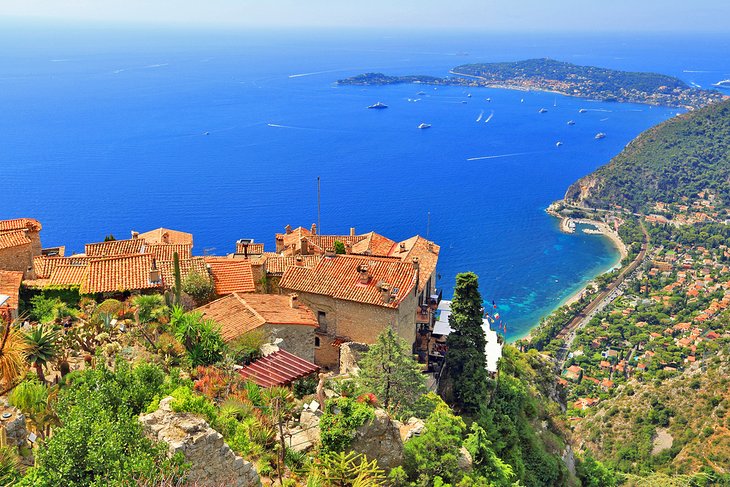
Hillside Village of Eze
 

A picturesque "village perché," Eze is a gem of the Côte d'Azur. This charming medieval village lies on a steep hilltop high above the Mediterranean Sea, with sweeping panoramas of the Cap-Ferrat coastline. Wandering the narrow cobblestone streets of the village leads to wonderful discoveries such as small art galleries, interesting artisan boutiques, and beautiful sea views. One of the attractions of Eze is a property called La Chevre d'Or, which is a luxury hotel housed in a 14th-century chateau. The hotel occupies several buildings within the heart of the medieval village and has a Michelin-starred restaurant. The property also has an exquisite garden filled with roses, shady trees, fountains, and art installations. A few steps away is the Fragonard Perfume Museum, open to the public for tours. For those who enjoy nature walks and hiking, a scenic trail begins near the Fragonard Museum, continues down the hillside, and leads to the beach. The village also has a lovely 12th-century church with an elegant neo-classical facade from the 18th century. At the very top of the Eze hillside is the spectacular Exotic Gardens with a breathtaking outlook. On a clear day, visitors can take in 180-degree views of the coastline all the way from Italy to Saint-Tropez.

6 Ephrussi de Rothschild Villa and Gardens, Cap-Ferrat
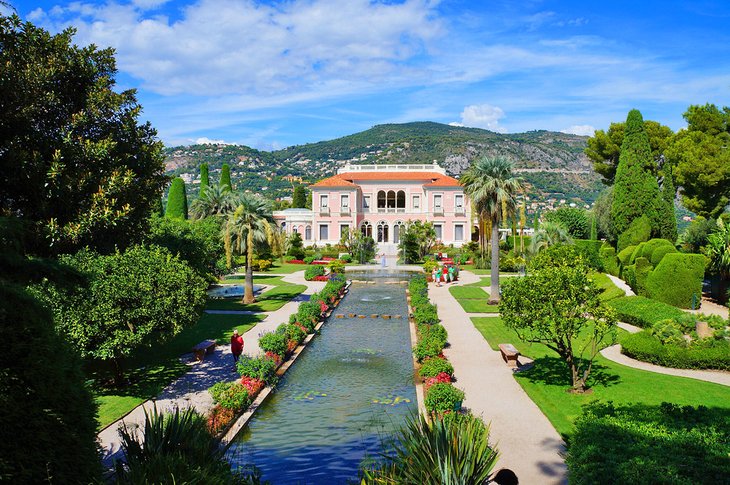
Ephrussi de Rothschild Villa and Gardens, Cap-Ferrat
Ephrussi de Rothschild Villa and Gardens, Cap-Ferrat M.Maselli
 

Between Nice and Monaco, the Cap-Ferrat is a narrow peninsula with some of the most beautiful scenery on the Côte d'Azur. Many exclusive private villas lie along this stretch of coastline, although visitors rarely have a chance to see past the gated entryways. One famous villa that's open to the public is the Rothschild Villa built for Béatrice Ephrussi de Rothschild, the daughter of the wealthy banker Baron Alphonse de Rothschild. Upon inheriting her father's enormous fortune, Béatrice created this exquisite villa in a dreamy setting on the tip of the Cap-Ferrat. One of the most beautiful homes on the Côte d'Azur, the villa was designed in the style of an Italian palazzo with a delicate pink facade. Béatrice's exceptional taste is revealed throughout the interior and especially in the Grand Salon with its Louis XVI furnishings and sumptuous floral-motif decor. After touring the villa's interior, visitors may wander around the magnificent gardens. The nine distinct gardens include a French garden, a Spanish and Florentine garden with trellised patios, a rose garden with dozens of floral varieties, and a traditional Japanese garden with waterfalls and fish ponds.

7 Menton
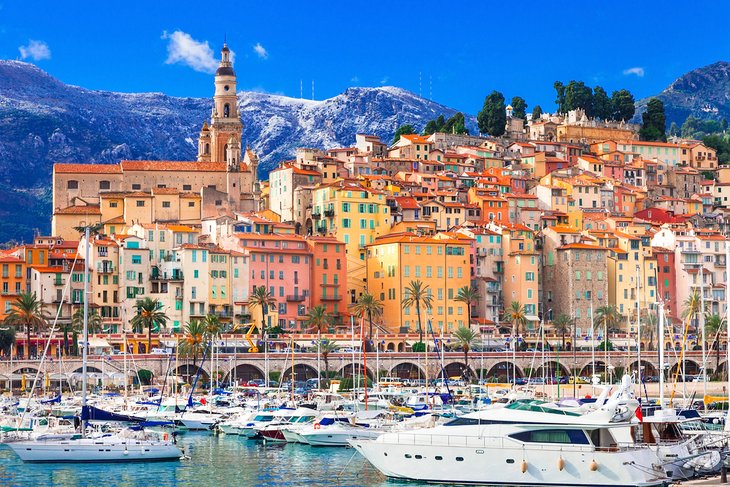
Menton
Menton
 
The picturesque village of Menton boasts a sensational location and the perfect mild, sunny climate (the warmest on the Côte d'Azur) that allows citrus fruits to flourish. The most atmospheric part of Menton is the Old Town, which has a distinctive Italian ambience. Visitors can begin a tour along the Montée des Logettes and the narrow rue Longue, passing the town's ancient fortifications. A flight of steps (Rampes de Saint Michel) leads up to the Place de la Conception terrace with its spectacular views of the sea. On the left stands the 17th-century Parish Church of Saint Michel with a winged altar created by Manchello in 1569. Further up is the Eglise de la Conception, built in 1685 in the Italian Jesuit style. For those in search of seaside relaxation, the Plage des Sablettes is a wonderful attraction. Those interested in seafaring can visit the Musée Jean Cocteau at Menton's harbor. The village also has a museum featuring works by Chagall, Dufy, and Picasso among others. Another highlight of Menton is its beautiful garden, Jardin Biovès, filled with exotic trees.
 

8 Cannes Film Festival

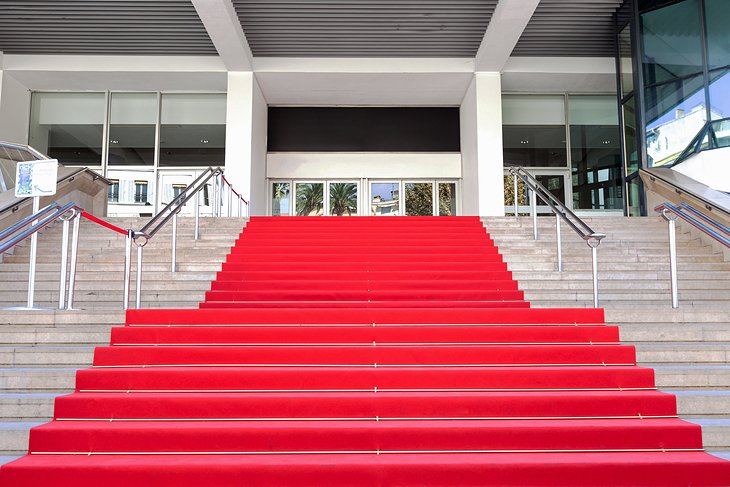
Cannes Film Festival Red Carpet
  

The ultimate event of the French Riviera calendar, this glamorous festival draws movie stars, movie producers, and other film professionals. While the actors and actresses strut the red carpet, locals and visitors watch as the scene unfolds at the Palais des Festivals et des Congrès. This state-of-the-art building has high-tech sound and lighting systems designed just for this event. The prestigious film festival is widely attended by cinema industry professionals and is well known for recognizing new cinema talent. It is always interesting to see who wins the Grand Prix award. During the festival, the city of Cannes posts giant billboards throughout the city, paying tribute to international stars and famous film legends.

9 Antibes Beaches
Antibes Beaches
Antibes Beaches
 
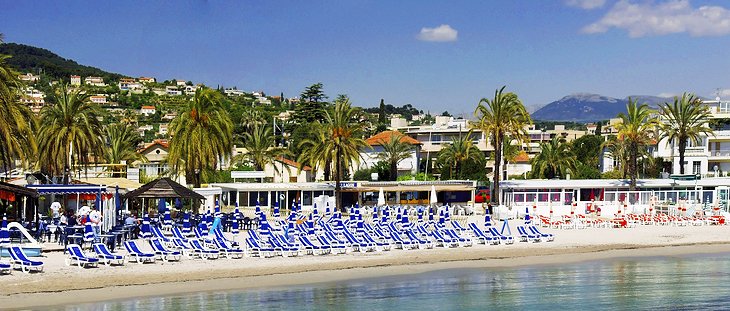
The beach scene on Antibes is legendary, and sun-worshipping tourists have many choices, from large public beaches to private beaches with seaside restaurants. The village of Antibes has two main areas along the coast: the Cap d'Antibes peninsula and Juan-les-Pins. Perfect for sunbathing, the beaches of Antibes are renowned for their pristine nature and sandy shores. The coastline also offers scenic pathways, such as the Chemin des Douaniers, which are ideal for hiking or a leisurely walk. Juan-les-Pins was named after the groves of pine trees that flourish in this region. For those who enjoy excellent French cuisine, the Juan-les-Pins area of Antibes is famous for its gourmet dining establishments and chic bistros with outdoor terraces.

10 Jazz à Juan Festival
Another highlight of visiting Antibes is the Jazz à Juan Festival that takes place every July. Set in a spectacular outdoor setting, the highly regarded international festival draws world-class talent including famous performers and up-and-coming new artists.


Luxembourg, Europe

Luxembourg
Country in Europe
Luxembourg, officially the Grand Duchy of Luxembourg, is a landlocked country in Western Europe. It is bordered by Belgium to the west and north, Germany to the east, and France to the south.Capital: Luxembourg
Currency: Euro
Official languages: French, German, Luxembourgish
Places of interest : -  
1-grund.jpg

1. Grund

An impossibly picturesque little neighborhood, the Grund is deep down in the gorge, and some of the stone houses are built directly into the rock faces. Highlights include a fifteenth-century bridge, ancient stone fortifications, terraced gardens and vineyards, a satisfying assortment of pubs and restaurants, a miniature golf course and a miniature train (for miniature passengers), and acres upon acres of parkland.
2-bock.jpg

2. The Bock and Casemates

The massive rock outcropping called Le Bock that forms the east side of the haute ville is a UNESCO World Heritage site. First fortified during the Roman Empire, it is excavated with a vast network of tour-able tunnels (casemates) in which the populace could hide during wars and sieges.
3-chemin-corniche.jpg

3. Le Chemin de La Corniche

This pedestrian walkway was built on the ramparts along the east side of the fortress-city. La Corniche is nicknamed "Europe’s most beautiful balcony."
4-ilot-gastronomique.jpg

4. Ilôt Gastronomique

The beautiful old building called am Turchen ("the Turret") now houses Ilôt Gastronomique (rue de l’Eau), a vertical mall housing half a dozen restaurants, ranging from good to great. The national motto, on the wall facing rue de la Loge, translates as: "We want to remain what we are."
5-grand-duke-palace.jpg

5. The Grand Duke’s Palace

The monarch spends most of his nights in his country castle, but The Grand Duke’s Palace is his official home, smack-dab in the middle of town and open for tours in summertime.
6-st-michaels.jpg

6. St. Michael’s Church

A church on this site (rue Sigefroi) was consecrated in 987. That building was destroyed by bombardment (Luxembourg was often bombarded) in 1684, then beautifully rebuilt in the Gothic style.
7-outdoor-market.jpg

7. Outdoor Market

On Wednesdays and Sundays at Place Guillaume II, the large plaza in the middle of town, vendors offer mostly local produce and a charming slice of everyday Luxembourg life.
8-esch-sur-sure.jpg

8. Esch-sur-Sûre

This breathtakingly beautiful hamlet of Esch-sur-Sûre (31 miles northeast of the city) is perched on a steep hill overlooking a sharp river bend. Dominated by a fifteenth-century watchtower and capped by castle ruins, the town sits in the heart of the hilly north-country called the Oesling, a region dotted with pastures, farms, and thick forests crisscrossed by deep cuts of meandering rivers.
9-vianden.jpg

9. Vianden Castle

A tour through Vianden Castle’s rooms, terraces, and grounds offers not only a glimpse into a millennium’s worth of history (with a particularly strong collection of weapons), but also striking views of the town and countryside.
10-grand-duke-birthday.jpg

10. The Grand Duke’s Official Birthday Celebration in Luxembourg City

The monarch’s birthday on June 23 is the single biggest celebration of the year, and the best day to be in Luxembourg. It’s also two days after the longest daylight of the year, so the fireworks that begin with nightfall are, essentially, a midnight interruption to a very long, very jubilant party.